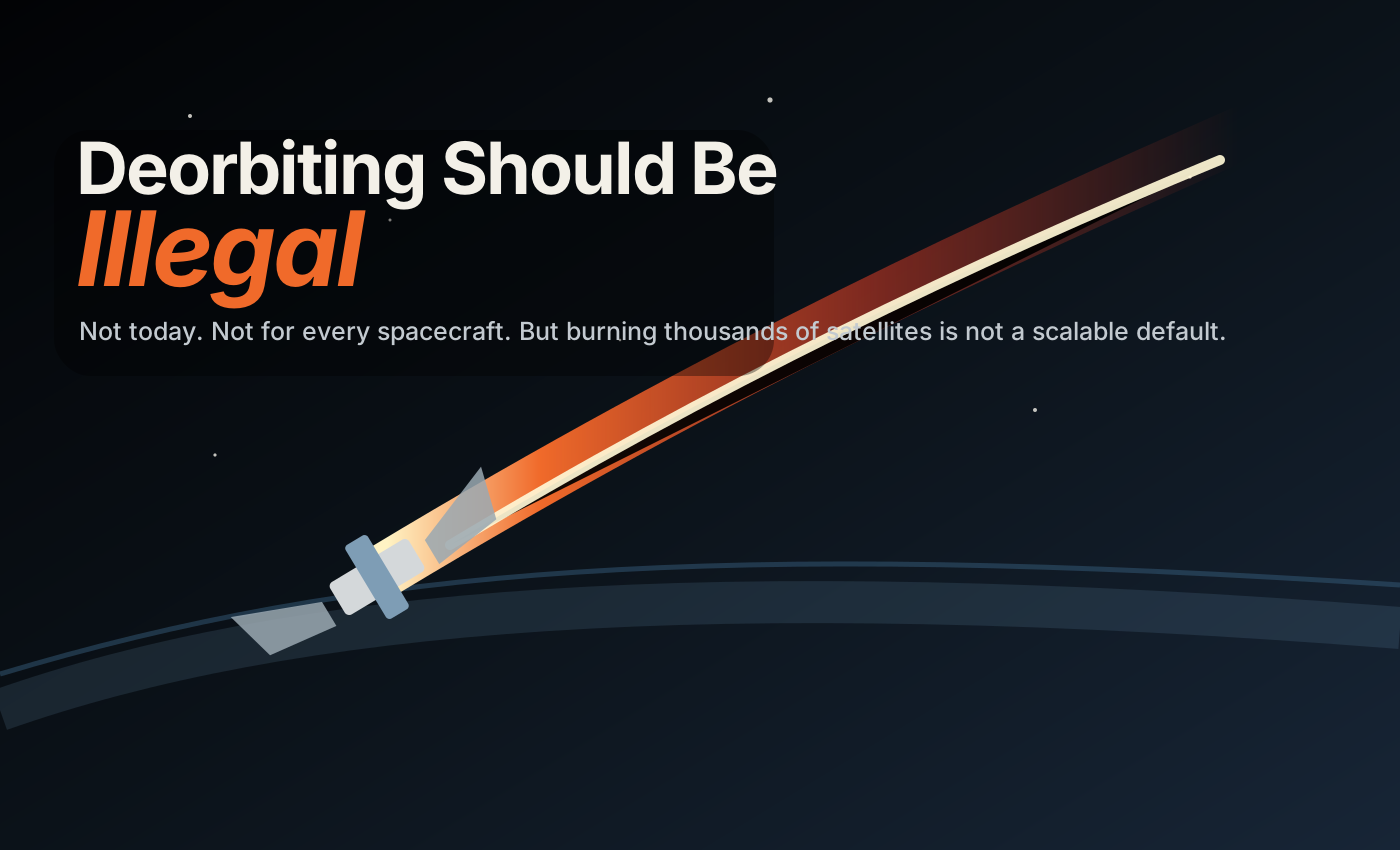
We are building the orbital economy by throwing away the machines.
Atmospheric disposal
Every satellite burned at end-of-life is a destroyed machine: aluminum, electronics, solar panels, batteries, radios, sensors, propulsion, and structure.
Industrial scale
This worked when orbit was small. It breaks when orbit contains large constellations, orbital compute, manufacturing platforms, defense infrastructure, and commercial assets.
Custody alternative
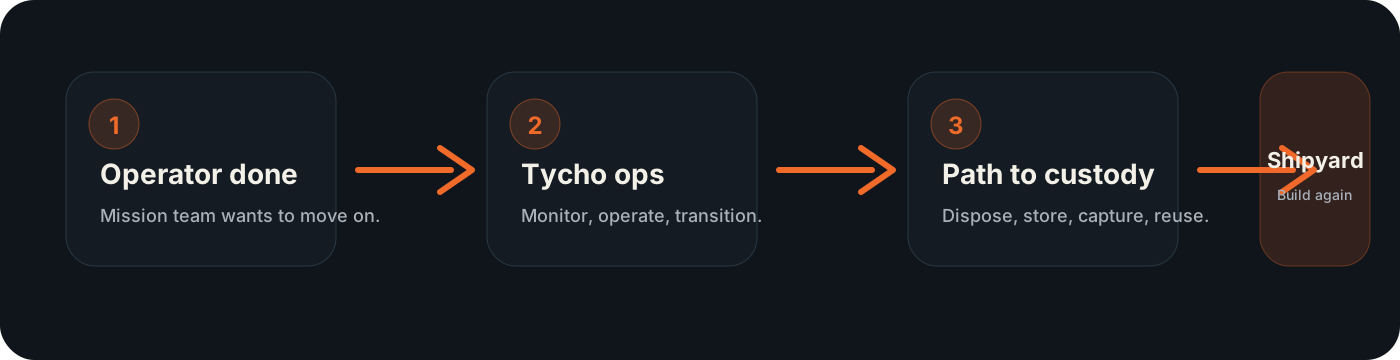
The alternative is not chaos. It is a standard handoff from original operator to end-of-life operator to capture, storage, and reuse.
Atmospheric disposal should become the exception, not the default.
We believe atmospheric disposal should stop being the default.
We support a future where spacecraft end-of-life plans prioritize reuse, recovery, storage, repair, recycling, or safe long-duration preservation before atmospheric disposal. Some deorbiting will remain necessary for safety. But as orbital infrastructure scales, burning spacecraft should become the last resort, not the business model.
Reserve a salvage review.
This is the reservation layer before the shipyard: operator reviews, builder feedstock interest, policy briefings, and early investor access to Tycho’s end-of-life model.
What did we burn last year?
A campaign-ready data visualization section for deorbited spacecraft: total mass destroyed, aluminum mass, estimated launch value, and the material that could have become future orbital feedstock.